
International Bioethics and Humanities Conference (IBHC) 2024 Highlights: Bioethics at the Crossroads of Humanity, Technology, and Environmental Sustainability
The International Bioethics and Humanities Conference (IBHC) 2024 was successfully organized by the Center for Bioethics and Medical Humanities (CBMH), Faculty of Medicine, Public Health, and Nursing (FK-KMK) Universitas Gadjah Mada, as part of its role as a UNESCO Chair on Bioethics, in collaboration with the Master’s Program in Bioethics, Universitas Gadjah Mada. The conference brought together global scholars, practitioners, and policymakers to explore the evolving role of bioethics in preserving humanity amid environmental crises and rapid technological advancement.
Held at The Alana Hotel Yogyakarta, this multidisciplinary forum provided a space for critical dialogue at the intersection of bioethics, technology, health, and environmental sustainability.
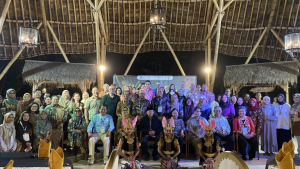
The conference was officially opened by Prof. dr. Ova Emilia, M.Med.Ed., Sp.OG(K)., Ph.D, Rector of Universitas Gadjah Mada, who symbolically struck the gong to mark the commencement of IBHC 2024. The opening ceremony was followed by a photo session reflecting the collective commitment of participants and speakers to advancing bioethics and humanities for a more sustainable and humane future.
Throughout the conference, symposium sessions addressed a wide range of pressing bioethical issues. Key discussions included biobanking ethics in Southeast Asia, focusing on informed consent, data privacy, and equitable data governance to support responsible health innovation. Sessions on bioethics education emphasized the integration of ethics into higher education through interactive and reflective learning approaches to nurture ethical leadership.
The theme of precision medicine explored ethical challenges related to genomic data protection, dynamic consent models, and equitable access to advanced medical technologies. Meanwhile, healthcare ethics sessions examined dilemmas in palliative care, rare diseases, and culturally sensitive medical decision-making. Additional topics included ethical research practices, the integration of traditional medicine, and the role of local wisdom in environmental sustainability through eco-village development and natural dye revitalization.
Plenary discussions featured distinguished speakers, including Dicky Sofjan, Ph.D., Ir. Laretna T. Adishakti, M.Arch., and Prof. Dr. Ir. Edia Rahayuningsih, MS., IPu., who offered critical perspectives on the intersections of bioethics, culture, technology, and sustainability.
In addition to the symposiums, IBHC 2024 hosted oral and poster presentation competitions on November 7, attracting participants from various academic and professional institutions. Presentations were evaluated by expert judges based on thematic relevance, ethical depth, and methodological rigor. The top three winners from both categories were announced during the closing session.
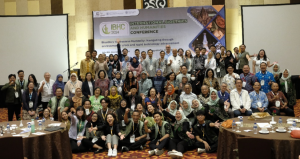
Aligned with the Sustainable Development Goals (SDGs)—particularly SDG 3 (Good Health and Well-being), SDG 10 (Reduced Inequalities), SDG 13 (Climate Action), and SDG 16 (Peace, Justice, and Strong Institutions)—IBHC 2024 reaffirmed the importance of bioethics as a foundational framework for inclusive, just, and sustainable responses to global challenges. Through interdisciplinary dialogue and international collaboration, the conference underscored bioethics as a key driver in preserving humanity in an increasingly complex and interconnected world.
Editor : Rafi