Tag Archive for: RABOAN

Integrating Business Ethics and Medical Ethics in Obstetrics & Gynecology Practice

BIOETIKA HUMANIORA MEDICAL ETHICS

A mother arrives at a hospital with the hope of receiving the best possible care for herself and her baby. Yet behind every medical decision made by physicians, there are often additional considerations—ranging from financial pressures and insurance policies to hospital revenue targets. How can doctors maintain professional integrity while the healthcare business must continue to operate? This critical question became the central focus of the Raboan Discussion Forum, organized by the Center for Bioethics and Medical Humanities (CBMH), Universitas Gadjah Mada, on Wednesday, 27 August 2025, from 13:00 to 14:30 WIB.

Carrying the theme “Integrating Business Ethics and Medical Ethics in Obstetrics & Gynecology Practice,” the forum featured Prof. Dr. dr. Rajuddin, SpOG(K), Subsp. FER as the main speaker, with NS Wahyu Dewi Sulistyarini, M.S.N. serving as moderator.

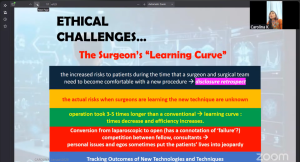
In his presentation, Prof. Rajuddin emphasized the importance of achieving a balance between medical ethics and business ethics in Obstetrics and Gynecology practice. Issues such as overtreatment driven by financial targets, patient discrimination based on socioeconomic status, and the risk of commercialization in fertility services were highlighted as tangible examples of ethical dilemmas frequently encountered in clinical settings.

Furthermore, he underlined that well-implemented business ethics can, in fact, reinforce medical ethics. Cross-subsidy schemes, for instance, may help ensure equitable access to healthcare for underprivileged patients, while profits generated from premium services can be allocated to improving facilities, supporting research, and enhancing the training of healthcare professionals.

The discussion was also closely linked to the Sustainable Development Goals (SDGs), particularly SDG 3: Good Health and Well-Being and SDG 10: Reduced Inequalities. By integrating business and medical ethics, healthcare systems are expected to deliver services that are sustainable, equitable, and dignified, while simultaneously strengthening public trust in healthcare institutions.

The event received a strong and enthusiastic response, with participants joining from a wide range of institutions, including hospitals, educational institutions, and health organizations across Indonesia. The diversity of participants enriched the discussion, bringing interdisciplinary perspectives that further underscored the relevance of this topic to everyday healthcare practice.

Through this regular forum, CBMH UGM reaffirms its commitment to fostering critical and solution-oriented discussions on bioethics and the medical humanities, in support of more just, high-quality, and sustainable healthcare services in Indonesia.

Watch the full discussion on the CBMH UGM YouTube channel:

https://www.youtube.com/watch?v=WImScaUqbO4

Reporter: Rafi

“Nrima”: A Javanese Cultural Value and Its Influence on Healthcare

BIOETIKA HUMANIORA MEDICAL ETHICS

Center for Bioethics and Medical Humanities (CBMH), Universitas Gadjah Mada, once again held its weekly routine program, Raboan Research and Perspective Sharing, on Wednesday, 30 July 2025. Conducted online via Zoom Meeting, the session addressed a highly relevant topic entitled “Nrima – a Particular Javanese Value and Its Impact on Healthcare.”
The event featured drg. Agnes Bhakti Pratiwi, MPH, Ph.D., a faculty member of FK-KMK UGM, as the main speaker, and was moderated by Ardhini Nugrahaeni, M.K.M.

The concept of nrima, which refers to sincere acceptance of one’s circumstances, including illness, is deeply rooted in Javanese society. This value reflects resilience, patience, and an adaptive capacity to face life’s challenges. In the healthcare context, nrima may encourage patients to remain steadfast and compliant during long-term treatment, while also supporting their mental well-being when dealing with chronic or irreversible conditions.

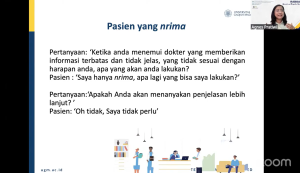
However, the discussion also highlighted the ethical challenges associated with nrima, particularly in relation to patient autonomy and doctor–patient communication. Patients who strongly adhere to nrima tend to be passive, less likely to fully express their symptoms, and reluctant to ask for further medical information. Consequently, healthcare providers may offer limited explanations, potentially reducing the quality and completeness of medical information received by patients.

“In the context of SDG 3: Good Health and Well-Being, it is crucial for healthcare systems not only to understand local cultural values such as nrima, but also to balance them with the fulfillment of patients’ rights,” stated drg. Agnes. She further emphasized, “Without culturally sensitive communication approaches, we may unintentionally diminish patient autonomy and weaken their participation in medical decision-making.”

Moreover, this phenomenon is closely related to SDG 10: Reduced Inequalities. Patients from certain cultural backgrounds, including Javanese communities that uphold nrima, face a higher risk of unequal access to comprehensive medical information and equitable involvement in healthcare decisions.

As potential solutions, drg. Agnes recommended strengthening education on patients’ rights, providing culturally sensitive communication training for healthcare professionals, and empowering patients to feel more confident in asking questions and expressing their needs. Through these efforts, healthcare services can become more inclusive, equitable, and effective.

This discussion represents an important contribution to CBMH’s ongoing commitment to promoting a locally rooted, globally respected approach—integrating local cultural values into the national healthcare system while upholding universal ethical principles.

Reporter: Ardhini Nugrahaeni, M.K.M
Editor: Rafi

Realizing a Safe and Healthy Hajj: Collaborating for Better Services

Yogyakarta, May 14, 2025 – Raboan Research and Perspective Sharing session held on Wednesday, May 14, 2025, with an engaging topic, “Health and Safety in Hajj: Strategies and Implementation.” The event featured drg. Lutfiah Sahabuddin, M.K.M., from the Faculty of Medicine, Universitas Alkhairaat, Palu, as the main speaker.

In her presentation, drg. Lutfiah emphasized the importance of health and safety strategies for Hajj pilgrims. According to the data presented, illnesses such as septic shock, cardiogenic shock, and acute myocardial infarction have been the leading causes of death among Hajj pilgrims in recent years.

Presentation session by drg. Lutfiah as speaker

discussion session with Raboan participant

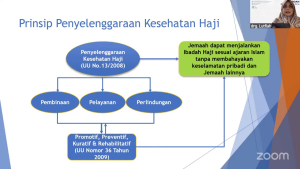
“Hajj health management should prioritize promotive and preventive measures. Educating pilgrims from the preparation phase to the actual pilgrimage is key to reducing mortality rates,” stated drg. Lutfiah. She also highlighted the importance of teaching Hajj health to medical students, as has been implemented at the Faculty of Medicine, Universitas Alkhairaat, Palu, through a dedicated Hajj and Umrah module in their curriculum.

Furthermore, drg. Lutfiah discussed the ethical dilemmas often faced by Hajj healthcare professionals. One example is the case of elderly pilgrims who are not medically fit (istitha’ah) to perform Hajj, but their families refuse to accept this decision. To resolve such issues, the involvement of community leaders, healthcare teams, and the Ministry of Religious Affairs is crucial. These stakeholders must coordinate and deliberate to reach the best decision, ensuring that families understand and accept the outcome.

This discussion aligns with the commitment to achieving the Sustainable Development Goals (SDGs), particularly SDG 3 on good health and well-being. It is part of broader efforts to enhance public health literacy and improve the quality of Hajj healthcare services in Indonesia.

Through this discussion, Raboan Research and Perspective Sharing served as a valuable platform for exchanging knowledge and experiences related to the health of hajj pilgrims. It is hoped that this event will encourage improvements in hajj health services and strengthen collaboration among various stakeholders in addressing challenges on the ground. Ultimately, the goal is to ensure that Indonesian pilgrims can perform their pilgrimage in a safer, healthier, and more dignified manner.


[easy_youtube_gallery id=j-hP3fm2TJk cols=1 ar=16_9 thumbnail=0 title=top]Health and Safety in Hajj: Strategies and Implementation[/easy_youtube_gallery]

Communication Challenges in Interprofessional Collaboration in the Healthcare Sector

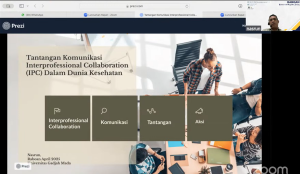
Wednesday, April 23, 2025 — Raboan Research and Perspective Sharing session was held with the theme “Communication Challenges in Interprofessional Collaboration (IPC) in the Healthcare Sector.” The event featured dr. Nasrun, S.H., M.Sc, an alumnus of the Master’s Program in Bioethics at UGM and currently a lecturer at the Department of Bioethics, Faculty of Medicine, Unisa Palu. The session was moderated by Ika Setyasari, S.Kep.Ns., M.N.Sc from CBMH UGM. More than 50 participants attended the event, including students, clinicians, and academics from various backgrounds.

BIOETIKA HUMANIORA MEDICAL ETHICS

In his presentation, dr. Nasrun emphasized that the primary challenge in implementing IPC is cross-professional communication. IPC is crucial to support the shift from a paternalistic model of healthcare delivery toward a partnership model. It aims to improve the quality of care and optimize patient-centered care, positioning patients as the central focus in clinical decision-making.

Four main communication challenges in IPC include differences in meaning, professional ego, misaligned perceptions, and territorial boundaries between healthcare workers. Misunderstandings often arise, such as the use of the word “sorry,” which can be interpreted either as an admission of fault or, conversely, as an indication of incompetence. In emergency situations, these communication challenges become even more complex, requiring strategies like shared understanding and open interprofessional dialogue.

BIOETIKA HUMANIORA MEDICAL ETHICS

This topic aligns with Sustainable Development Goal (SDG) No. 3: Good Health and Well-being, which emphasizes the importance of a strong and responsive health system. It also relates to SDG No. 4: Quality Education, as effective IPC requires Interprofessional Education (IPE) to support the early development of collaborative competencies among healthcare professionals. Robust IPE programs will prepare health workers to communicate and collaborate effectively across professions.

[easy_youtube_gallery id=Wdge9LeTNYs cols=1 ar=16_9 thumbnail=0 title=top]RABOAN Discussion Forum 23 April 2025[/easy_youtube_gallery]

Reporter: Ika Setyasari, S.Kep.Ns., M.N.Sc

Editor: Rafi Khairuna Wibisono, S.Kom


Is Immunization Necessary for Infants?

[easy_youtube_gallery id=gNEaz0gN_oA cols=1 ar=16_9 thumbnail=0 title=top]RABOAN Research and Perspective Sharing “Etika Imunisasi”[/easy_youtube_gallery]

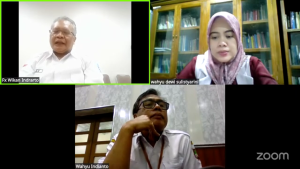
Yogyakarta, April 16, 2025 – The Center for Bioethics and Medical Humanities (CBMH), Universitas Gadjah Mada, once again held its weekly discussion forum, Raboan Sharing & Perspective Sharing, this time raising the theme “The Ethics of Immunization.” The online discussion, conducted via Zoom, featured Dr. dr. Fx. Wikan Indrarto, Sp.A – a pediatrician and lecturer – as the main speaker, moderated by Ns. Wahyu Dewi Sulistyarini, MSN.

BIOETIKA HUMANIORA MEDICAL ETHICS

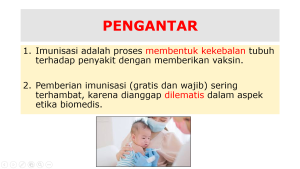
In his presentation, dr. Wikan emphasized that immunization is one of the most important efforts to build immunity against diseases. However, its implementation raises various challenges from a biomedical ethics standpoint, including the principles of non-maleficence (do no harm), justice, autonomy, and beneficence.

BIOETIKA HUMANIORA MEDICAL ETHICS“As medical professionals, our duty is not only to provide medical benefits, but also to ensure that our actions are fair and respect the rights of patients,” said dr. Wikan.
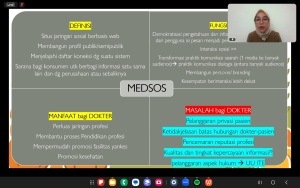
He further discussed the issue of medical paternalism, where doctors may limit a patient’s autonomy for the patient’s or public’s benefit. dr. Wikan explained that such a paternalistic approach can be ethically justified under certain conditions, such as when there is a serious preventable risk, when patients are unable to make autonomous decisions, or when the action significantly benefits the patient. The discussion also touched on national immunization regulations, including Indonesia’s Ministry of Health Regulation No. 12 of 2017, and the Indonesian Ulema Council (MUI) Fatwa No. 4 of 2016, which states that immunization is permissible (mubah) in Islam.

Wikan concluded by highlighting the importance of transparency in immunization practices. He reminded the audience that the success of the national immunization program requires the active involvement of doctors in providing thorough education and respecting parents rights to make informed and voluntary decisions.

“We need to ensure the success of the national immunization program, but we must also critically examine its implementation from an ethical perspective. Are we being wise enough?” he asserted.

This event served as a reminder that health is not solely a medical issue, but also one of values, rights, and moral choices in a pluralistic society. The topic of immunization ethics is closely related to the Sustainable Development Goals (SDGs), particularly SDG 3 on Good Health and Well-being, and SDG 4 on Quality Education. Through sound ethical education in medicine, healthcare professionals are expected to make wiser and fairer clinical decisions, including in immunization practices.

Reporter             : Ardhini Nugraheni, M.K.M.

Editor                  : Alvira Rahmasari, S.H.G.


Health Communication and Ethical Challenges: Building a Responsible Dialogue

Yogyakarta, March 19, 2025 — The Center for Bioethics and Medical Humanities (CBMH) at Universitas Gadjah Mada once again hosted its regular Raboan Sharing & Perspective Sharing session, a weekly discussion exploring various bioethics issues. This event, held online via Zoom, featured dr. Steffi Rifasa, M.H., a lecturer and Head of the Division of Bioethics and Law at the Faculty of Medicine, Universitas Islam Pasundan, as the keynote speaker, with Nathan Agwin Khenda, Ftr., M.Bio.Et., serving as the moderator.

BIOETIKA HUMANIORA

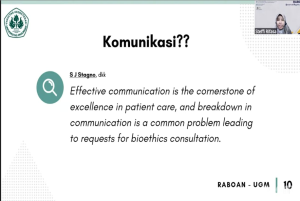
On this occasion, Raboan explored the theme ‘Health Communication and Ethical Challenges: Building a Responsible Dialogue.’ The discussion emphasized the critical role of bioethics in health communication while examining various solutions for addressing medical ethical dilemmas that require effective communication between healthcare professionals and patients. The session began with an analysis of alleged malpractice cases involving medical personnel, illustrating how perspectives can differ between patients and healthcare institutions. Furthermore, it underscored that clear and transparent communication is essential in preventing misunderstandings between medical professionals and patients, which can significantly impact medical decision-making.


BIOETIKA HUMANIORA

Moderated by Nathan Agwin Khenda, the discussion was highly interactive, engaging participants from diverse backgrounds, including medical professionals, academics, and students. Various perspectives on bioethics and communication crises were explored in depth, particularly regarding the application of bioethical principles and the role of healthcare professionals in building patient trust through effective and responsible communication.

Steffi Rifasa, M.H., also highlighted the challenges in health communication, particularly in delivering bad news without diminishing patients’ hope. She emphasized the importance of using appropriate methods, such as the SPIKES approach (Setting, Perception, Invitation, Knowledge, Empathy, and Strategy), to ensure that difficult conversations are conducted ethically and responsibly. Additionally, she addressed the growing challenges in digital health communication, where the rise of telemedicine and the widespread use of social media as an information source—often lacking accuracy—necessitate a more proactive role for healthcare professionals in providing accurate health education.

These ethical and communication challenges are closely linked to the Sustainable Development Goals (SDGs), particularly SDG 3: Good Health and Well-Being, which underscores the importance of effective health communication in ensuring quality healthcare and appropriate patient treatment. Furthermore, SDG 4: Quality Education highlights the need for healthcare professionals to receive proper training in ethical and empathetic communication to enhance patient interactions.

This Raboan discussion reaffirmed that effective communication in healthcare not only helps patients better understand their conditions but also strengthens the relationship between healthcare providers and patients. An ethical approach in health communication is essential, ensuring that information is conveyed in a way that fosters a deeper understanding for both patients and their families.


Reporter : Nadia Ulfah, Mafrida Nabilah Hanan

Editor : Alvira Rahmasari, S.H.G.

Examining the Phenomenon of Aesthetic Surgery: Medical, Ethical, and Religious Perspectives

[easy_youtube_gallery id=NofrbT3C2R8 cols=1 ar=16_9 thumbnail=0 title=top]RABOAN Perspective Sharing – 12 March 2025[/easy_youtube_gallery]

Yogyakarta, March 12, 2025 – The Center for Bioethics and Medical Humanities (CBMH) at Universitas Gadjah Mada held a RABOAN webinar featuring Dr. Prima Maharani Putri, M.H., C.Med. as the keynote speaker.

In her presentation, Dr. Prima discussed the growing trend of aesthetic surgery, which has gained increasing popularity in modern society. “Today, achieving a flawless appearance has become a priority in professional and social interactions. Many individuals choose plastic surgery to attain the beauty standards they aspire to,” she stated.

With the rapid advancement of information technology, the promotion of aesthetic surgery on social media has become more widespread, showcasing stunning physical transformations and shaping public perceptions of beauty. However, beyond its rising popularity, various bioethical considerations and religious perspectives must also be taken into account.raboan bioetika 12 maret 2025

The webinar also explored different religious viewpoints on aesthetic surgery. In Islam, such procedures are permitted if they serve a rehabilitative purpose and provide medical benefits, but they are deemed forbidden if performed solely for beautification. Buddhism considers plastic surgery a positive action when done for health reasons but discourages it if pursued merely for aesthetic purposes. Meanwhile, in Protestant and Catholic Christianity, plastic surgery is acceptable for medical needs, such as reconstructive procedures due to congenital disabilities or injuries. In contrast, Hinduism generally discourages altering one’s physical form through plastic surgery.

Dr. Prima emphasized the importance of applying bioethical principles in aesthetic surgery practices. “Patients have the right to decide whether to undergo plastic surgery as long as it is not intended to deceive or harm themselves or others. Doctors must provide informed consent and consider ethical aspects, especially for patients who lack medical indications,” she explained.

The discussion in this webinar also aligns with the Sustainable Development Goals (SDGs), particularly Goal 3 (Good Health and Well-being) and Goal 10 (Reduced Inequalities). By examining aesthetic surgery through the lens of bioethics, religion, and mental health, this event aimed to raise public awareness of the social impact of beauty standards shaped by social media. Additionally, the webinar served as an educational platform for medical professionals and the public to better understand the importance of ethical healthcare services, ensuring that all medical procedures, including plastic surgery, provide genuine benefits to patients with clear medical indications.

The event concluded with the key message that medical professionals play a crucial role in educating the public and upholding ethical standards in aesthetic surgery. “Upholding ethics and moral values can encourage people to accept themselves as they are. Plastic surgery is not the ultimate measure of physical perfection,” Dr. Prima concluded.

Reporter : Ardhini Nugrahaeni, M.K.M.
Editor : Rafi Khairuna Wibisono, S.Kom

Challenges and Opportunities of Humanities in Medical Education and Services

[easy_youtube_gallery id=rnkJhzM3q3M cols=1 ar=16_9 thumbnail=0 title=top]RABOAN – 5th March 2025[/easy_youtube_gallery]

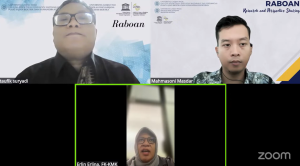
Yogyakarta, March 5, 2025 – The Raboan Research and Perspective Sharing event returned at the beginning of March 2025, featuring a distinguished speaker, Prof. Dr. dr. Taufiq Suryadi, Sp.F (K), Dipl.BE, a Professor of Forensic Medicine and Medicolegal Studies at the Faculty of Medicine, Syah Kuala University. The presentation and discussion were highly interactive, moderated by Mahmasoni Masdar, S.Kep.Ns., M.Kep from CBMH UGM.

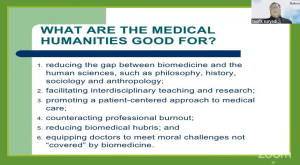
This session of Raboan, themed “The Role of Humanities in Medical Education and Ethical Healthcare Services,” highlighted the importance of a multidisciplinary approach in enhancing more humane and ethical healthcare services, as well as the significance of integrating humanities and culture into medical education. Prof. Taufiq emphasized three key aspects of learning humanities:

“Learning humanities, teaching in a humanistic way, and learning through humanities.”

Humanities are not merely a complementary subject but a fundamental element in shaping empathetic and integrity-driven doctors. As medical professionals, it is essential to view patients not only in terms of their illness but also in consideration of their mental, cultural, spiritual, and social conditions.

During his presentation, Prof. Taufiq provided insights into the most preferred and necessary learning models for medical students in humanities education, as well as the learning styles they favor in acquiring information.

Prof. Taufiq’s presentation aligns with the Sustainable Development Goals (SDGs), particularly SDG 3 (Good Health and Well-being) and SDG 4 (Quality Education). Strengthening humanities education in the medical curriculum is expected to cultivate healthcare professionals who can comprehend the humanitarian, ethical, and legal aspects of medical practice.

Addressing Ethical Challenges in Healthcare

[easy_youtube_gallery id=YTuSF_2BLAg cols=1 ar=16_9 thumbnail=0 title=top]First Video[/easy_youtube_gallery]

Yogyakarta, February 26, 2025 – The Center for Bioethics and Medical Humanities (CBMH) Universitas Gadjah Mada once again held its regular webinar, Raboan Sharing & Perspective Sharing. This webinar was conducted online via Zoom Meeting and featured Dr. Bondan Agus Suryanto, S.E., M.A. (Lecturer at the Faculty of Medicine, UII and FMPHN UGM) as the main speaker, with Mahmasoni Masdar, S.Kep., Ns., M.Kep as the moderator.

Presentation by dr. Bondan Agus Suryanto, S.E., M.A.

This session explored “Ethical Issues in Healthcare Services”, highlighting challenges and solutions in achieving fairness in the distribution of healthcare services. In his presentation, dr. Bondan emphasized the importance of a bioethical approach based on social justice to ensure equitable healthcare access amid limited resources. Additionally, he discussed the role of professional organizations in maintaining a balance between the interests of healthcare professionals and the needs of the broader community.

Interactive Discussion with Participants

Mahmasoni Masdar, as the moderator, led an interactive discussion involving participants from various backgrounds, including healthcare professionals, academics, and students. The session delved deeply into different perspectives on healthcare ethics in Indonesia, covering public policy roles, the influence of culture and religion, and challenges in implementing a health insurance-based system such as BPJS.

The discussion on ethical issues in healthcare services aligns with the Sustainable Development Goals (SDGs), particularly SDG 3: Good Health and Well-being and SDG 10: Reduced Inequalities. This webinar aimed to foster cross-sector dialogue to help design more equitable healthcare policies, ensuring that every individual, regardless of social and economic background, can access quality healthcare services.

CBMH UGM hopes this forum will serve as a platform for stakeholders to engage in discussions and share insights on bioethics in Indonesia. Through cross-sector collaboration, the goal is to develop healthcare policies that are fair and easily accessible to all.

Reporter          : Alvira Rahmasari, S.H.G.

Editor              : Rafi Khairuna Wibisono, S.Kom.

Understanding the Concept of Do Not Resuscitate (DNR) in Terminal Patients: Ethical and Medical Practice Perspectives

[easy_youtube_gallery id=TbN0UbEDCPA cols=1 ar=16_9 thumbnail=0 title=top]First Video[/easy_youtube_gallery]

Presentation of Raboan material by dr. Lucia.Yogyakarta, 19 February 2025 – As part of the Raboan: Research and Perspective Sharing series, a discussion was held on the topic The Concept of Do Not Resuscitate (DNR) Orders in Terminal Patients with DPJP”. The event featured dr. Lucia Pudyastuti Retraningtyas, SpA., M.Bio.Et, a lecturer at the Faculty of Medicine, Universitas Surabaya, as the keynote speaker. The discussion was moderated by drg. Agnes Bhakti Pratiwi, MPH, Ph.D., from the Center for Bioethics and Medical Humanities (CBMH), Faculty of Medicine, Public Health, and Nursing (FKKMK), Universitas Gadjah Mada, as well as the UNESCO Chair on Bioethics at UGM.

This webinar highlighted various perspectives on DNR orders for terminal patients. DNR is a medical decision made by the medical team after consulting with a team appointed by the Medical Committee or Ethics Committee. Ideally, the decision-making process should involve both the patient and their family. Communication between the patient, family, and healthcare providers is crucial in identifying the patient’s values, preferences, and critical medical care decisions. dr. Lucia emphasized that DNR orders must be clearly documented and recorded in the patient’s medical records.

Discussion Session With Participant

One key point discussed was the importance of respecting patient dignity in end-of-life care. Physicians have different perspectives on DNR orders, with some agreeing and disagreeing them. Reasons for agreeing DNR Orders : reducing patient suffering and ensuring a peaceful passing; alleviating the burden on the family during the patient’s final moments, facilitating the work of other medical personnel in providing appropriate care; religious considerations that align with end-of-life dignity; legal aspects that support the implementation of DNR. Reasons for disagreeing DNR Orders: concerns over family misconceptions and potential conflicts; the belief that doctors must provide the maximum possible care to every patient; fear of causing family distress or uncertainty regarding medical decisions.

DNR is also linked to the Sustainable Development Goals (SDGs), particularly:  SDG No. 3: Good Health and Well-Being, which emphasizes the importance of access to quality healthcare services, including palliative care and the patient’s right to decide on end-of-life care. SDG No. 10: Reduced Inequalities, which highlights that every patient has the right to make medical decisions without pressure or discrimination, including decisions regarding DNR orders.

This Raboan discussion reaffirmed that a bioethical approach to implementing DNR orders is essential in end-of-life nursing and medical decision-making. Through effective communication between doctors, patients, and families, it is hoped that medical decisions can be made ethically and in alignment with human values.


Reporter          : Ardhini Nugrahaeni,M.K.M

Editor              : Alvira Rahmasari, S.H.G.