Tag Archive for: SDGs 3

Strengthening Medical Ethics in Indonesian Healthcare Practice: HELP Batch 7 – 2nd Series
HELP COURSE BIOETIKA HUMANIORA MEDICAL ETHICS

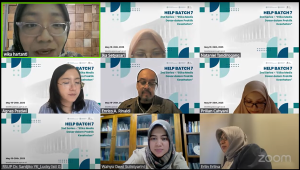
Yogyakarta, 26 May 2025 — The Master’s Program in Bioethics, Universitas Gadjah Mada, through the Center for Bioethics and Medical Humanities (CBMH UGM), successfully conducted the HELP Certified Training Program Batch 7 – Second Series, entitled “Basic Medical Ethics in Healthcare Practice”, from 19–26 May 2025. The program was delivered online via Zoom Meeting and formed part of UGM’s commitment to advancing the Sustainable Development Goals (SDGs), particularly SDG 3 (Good Health and Well-Being) and SDG 4 (Quality Education), by strengthening the ethical capacity of healthcare professionals in responding to contemporary challenges.

This series featured interdisciplinary experts from CBMH UGM, the Faculty of Medicine UGM, Universitas Sanata Dharma, UIN Sunan Kalijaga, and Dr. Sardjito General Hospital. The speakers delivered in-depth and practical sessions covering biomedical ethical principles, clinical empathy, socio-cultural dimensions of care, justice in healthcare, and digital ethics in modern health systems.

On the first day, Dr. Nur Azid Mahardinata, M.Bio.Et., opened the course by emphasizing the importance of integrating medical science with the humanities to understand patients holistically. Erlin Erlina, SIP, MA, Ph.D., highlighted socio-cultural dynamics in patient–healthcare provider relationships, while another session explored justice in healthcare resource allocation through locally grounded case studies.

The second day featured Dr. CB. Kusmaryanto, SCJ, who elaborated on the four core principles of bioethics—autonomy, beneficence, non-maleficence, and justice—followed by Dr. dr. Ronny Triwirasto, Sp.KJ, who discussed ethical conflicts within healthcare teams from multidisciplinary perspectives.

On the third day, Dr. Indria Laksmi Gamayanti, M.Psi., Psychologist, underscored the role of clinical empathy in improving the quality of doctor–patient relationships. This was followed by sessions led by Dr. Wika Hartati, MIH, and Dr. Nur Azid Mahardinata, focusing on ethical considerations in healthcare policy and resource distribution.

The fourth day featured Prof. Syafaatun Almirzanah, Ph.D., D.Min., who highlighted the importance of cultural and religious sensitivity in healthcare practice, emphasizing that understanding patients’ spiritual backgrounds is essential for ethical decision-making. The discussion continued with drg. Agnes Bhakti Pratiwi, Ph.D., who stressed the need for ethical analysis in Indonesia’s public health system.

On the fifth day, Dr. CB. Kusmaryanto, SCJ, offered a constructive critique of Western principlism in bioethics, noting its limited applicability within local cultural contexts. Subsequently, Dr. dr. Darwito, Sp.B(K) Onk., addressed ethical challenges in teaching hospitals, including patient advocacy and the protection of patient rights in clinical education settings.

The program concluded on the sixth day with a session by Dr. Lutfan Lazuardi, Ph.D., who examined the ethical implications of digital transformation in healthcare, particularly the use of Artificial Intelligence and the importance of data protection in medical decision-making.

In addition to up-to-date and relevant content, participants received a certificate accredited by the Indonesian Ministry of Health, full course materials, and opportunities for credit transfer to the Master’s Program in Bioethics UGM. Participants came from diverse professional and regional backgrounds across Indonesia, including lecturers and educators in medicine, nursing, pharmacy, midwifery, and other health sciences; healthcare professionals from public and private hospitals; primary care providers; and private practitioners such as doctors and nurses. This diversity reflects the growing demand for contextual, inclusive, and sustainable medical ethics education in Indonesia.

For more information on upcoming programs, please visit bioethics.fk.ugm.ac.id or follow @cbmh_ugm on Instagram.

Editor: Rafi
Strengthening Ethics, Humanity, Law, and Professionalism in Healthcare: HELP Bioethics Course Batch 7 Series 1

kursus bioetika help batch 7 seri 1

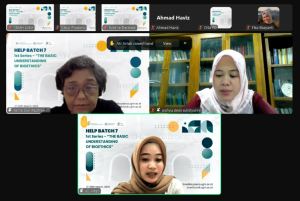
Yogyakarta, 26 March 2025 — The Center for Bioethics and Medical Humanities (CBMH), Faculty of Medicine, Public Health, and Nursing, Universitas Gadjah Mada, successfully organized the HELP Bioethics Course (Humanity–Ethics–Legal–Professionalism) Batch 7 Series 1, conducted online via Zoom from 17–26 March 2025. This series carried the theme “The Basic Understanding of Bioethics” and was attended by 44 participants from various institutions and faculties of medicine across Indonesia.

Participants consisted of lecturers, healthcare practitioners, and policymakers who share a strong commitment to integrating ethics, humanity, law, and professionalism within the healthcare system. Throughout the eight-day program, participants engaged in intensive theoretical sessions and in-depth discussions covering the foundations of bioethics, the relationship between ethics and law, ethical theories such as utilitarianism, deontology, and virtue ethics, as well as issues related to professionalism and justice in medical practice.

Adopting a transdisciplinary approach, the course also explored the contributions of anthropology, religion, and social sciences in shaping bioethical understanding within Indonesia’s diverse sociocultural context. The presence of distinguished speakers from national and international institutions, including Harvard Medical School and Amsterdam UMC, enriched participants’ global and local perspectives on ethical and moral challenges in contemporary healthcare.

The HELP Course is part of CBMH UGM’s ongoing commitment to supporting the achievement of the Sustainable Development Goals (SDGs), particularly SDG 3 (Good Health and Well-Being), SDG 4 (Quality Education), and SDG 16 (Peace, Justice, and Strong Institutions). By fostering ethical awareness, moral reflection, and professional attitudes in decision-making, this program is expected to contribute to the development of healthcare professionals who are not only clinically competent, but also firmly grounded in human dignity and social justice.

Through this program, CBMH UGM reaffirms its role as a platform for learning and knowledge-sharing in bioethics and medical humanities. The HELP Course supports participants’ personal and professional growth while contributing to the creation of a healthcare system that is more equitable, inclusive, sustainable, and respectful of human dignity.


Editor: Rafi

HELP Course Batch 6 – 6th Series : Strengthening Bioethics in Medical Education

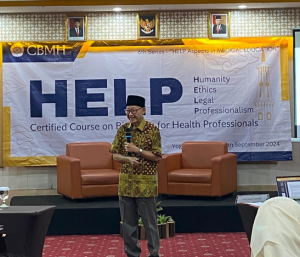
The HELP Course (Humanity–Ethics–Legal–Professionalism) 6th Series, Batch 6 was successfully conducted from Wednesday to Friday, 25–27 September 2024, at Hotel MM UGM, Yogyakarta. This sixth series focused on Bioethics in Medical Education, bringing together healthcare professionals and academics committed to strengthening ethical awareness and teaching strategies in medical education.

This program aimed to enhance participants’ understanding of ethical principles in medical education and to equip them with effective strategies for teaching bioethics in academic and clinical settings. The course aligns closely with the Sustainable Development Goals (SDGs), particularly SDG 4 (Quality Education) by promoting ethical competence among educators, and SDG 3 (Good Health and Well-Being) through the development of ethically grounded healthcare professionals.

Global Perspectives on Ethics in Medical Education

The first day of the HELP Course opened with a session titled “Global Health Ethics: Addressing Disparities in Medical Education and Clinical Practice”, delivered by Prof. Dr. dr. Soenarto Sastrowijoto, Sp.THT(K). In this session, Prof. Soenarto discussed the importance of addressing inequalities and integrating bioethics into both medical education and clinical practice. He emphasized that academics must develop a comprehensive understanding of bioethics in order to teach it effectively within their respective institutions.

He concluded the session with a reflective message on the educator–student relationship, highlighting the importance of patience, mentorship, and mutual respect in academic environments.

Innovative Approaches to Teaching Bioethics

The following session explored teaching strategies in bioethics through “Narrative Ethics: Advanced Techniques in Ethical Discourse”, presented by Dr. Dra. Retna Siwi Padmawati, M.A. She underlined the importance of listening, giving time to patients, respecting patients’ experiences, and understanding illness from a humanistic perspective. According to her, narrative ethics and medical narratives serve as essential methods for cultivating empathy and ethical sensitivity, as “narrative creates a voice.”

This session was followed by presentations on multimedia-based approaches to bioethics education, including the use of films, arts, and virtual reality. Participants also discussed the role of simulation in ethics education, which allows learners to engage with ethical dilemmas without compromising patient safety.

Interdisciplinary Learning and Ethical Reflection

The final day of the HELP Course featured interdisciplinary approaches to bioethics education delivered by three speakers. These interactive sessions encouraged participants to actively engage in discussions and practical exercises addressing ethical challenges and moral education in university settings. Participants gained valuable insights into navigating ethical dilemmas within medical education while fostering professionalism and moral responsibility.

Through this course, CBMH FK-KMK UGM reaffirmed its commitment to advancing bioethics education as a foundation for ethical healthcare systems. By strengthening educators’ capacity in bioethics, the HELP Course contributes to building inclusive, ethical, and sustainable health and education institutions, in line with SDG 3 (Good Health and Well-Being), SDG 4 (Quality Education), and SDG 16 (Peace, Justice, and Strong Institutions).

Editor : Rafi

Learning Clinical Ethics: Upholding Human Dignity During Life and End-of-Life Care

On Wednesday, 15 May 2024, the Center for Bioethics and Medical Humanities, Faculty of Medicine, Public Health, and Nursing, Universitas Gadjah Mada (CBMH FK-KMK UGM), conducted the first day of a bioethics course with an in-depth focus on Clinical Ethics During Life and at the End of Life. The course was attended by healthcare professionals and academics who are keen to deepen their understanding of ethical issues in medical practice. This program aimed to enhance participants’ capacity to uphold human dignity in various clinical situations, both during life and in end-of-life care.

The first day of the course opened with a compelling session entitled “Preserving Human Dignity: During Life and Dying” delivered by Prof. Dr. Christantie Effendy, S.Kp., M.Kes. Participants were introduced to key concepts related to safeguarding human dignity under all circumstances, including during the dying process. Particular emphasis was placed on empathy, respect for patient autonomy, and honoring patients’ values and wishes.

The following session was led by Prof. dr. Moh. Hakimi, Sp.OG(K), Ph.D., who discussed ethical decision-making processes in clinical practice. Through interactive discussions and case studies, participants gained deeper insights into how medical decisions should be made by carefully balancing ethical principles with patients’ best interests. This session highlighted the complexity of ethical dilemmas commonly faced in healthcare settings.

The importance of cultural competence in healthcare services in Indonesia became a central theme in the subsequent session. Participants were encouraged to recognize and respect cultural diversity as a crucial element in providing sensitive, ethical, and effective healthcare services for Indonesia’s pluralistic society. The course concluded with a session entitled “Truth Telling and Withholding Information”, led by Dr. dr. Nurnaningsih, Sp.A(K). This discussion explored ethical dilemmas surrounding information disclosure to patients, including when it is ethically appropriate to disclose the full truth and when withholding information may be justified. Participants were guided on navigating these complex situations with sensitivity, professionalism, and integrity.

Overall, this bioethics course contributed significantly to strengthening ethical awareness and practical skills among healthcare professionals. The program aligns closely with the Sustainable Development Goals (SDGs), particularly SDG 3: Good Health and Well-Being, by promoting ethical, patient-centered healthcare, and SDG 16: Peace, Justice, and Strong Institutions, through capacity building and the reinforcement of ethical decision-making within healthcare institutions.

Editor : Rafi

Strengthening Ethical Research Practices: CBMH FK-KMK UGM Hosts HELP Course on Medical and Health Research

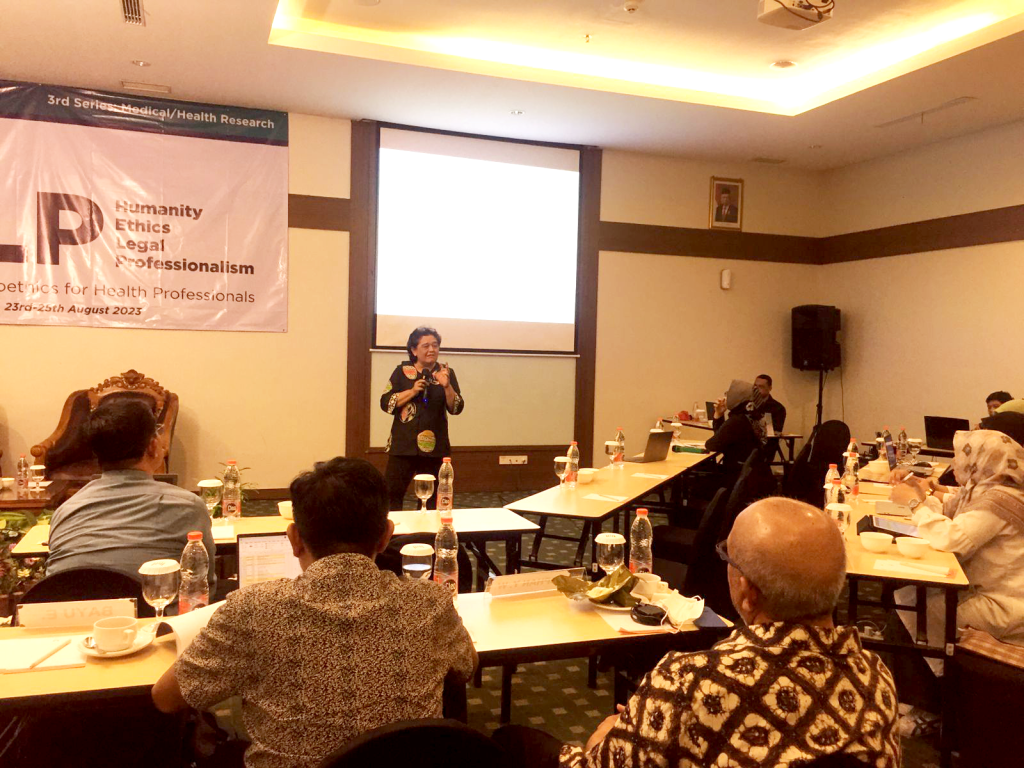
Yogyakarta — The Center for Bioethics and Medical Humanities, Faculty of Medicine, Public Health, and Nursing, Universitas Gadjah Mada (CBMH FK-KMK UGM), organized the HELP Training Program (Humanity–Ethics–Legal–Professionalism) under the theme “3rd Series – Medical/Health Research” from 23–25 August 2023. Held at The Atrium Hotel and Resort, the program was attended by participants from various cities across Indonesia, reflecting strong national interest in ethical issues surrounding health and medical research.

Over the course of three days, participants received comprehensive learning materials on research ethics delivered by distinguished speakers in the field of bioethics. Key topics included Introduction to Research Ethics, Basic Principles of Biomedical Ethics, Informed Consent in Research, Addressing Ethical Challenges in Health-Related Research, Applying Research Ethics in Practical Scenarios, International Guidelines, and Special Issues in Health-Related Research. These sessions equipped participants with both theoretical foundations and practical insights to navigate ethical complexities in research practice.

The HELP Course also emphasized the importance of ethical governance in research as a cornerstone of responsible scientific advancement. By strengthening participants’ understanding of ethical principles, regulatory frameworks, and international standards, the program aimed to promote research practices that prioritize human dignity, participant safety, and social accountability.

This initiative aligns closely with the Sustainable Development Goals (SDGs), particularly SDG 3: Good Health and Well-Being, which underscores the role of ethical research in improving health outcomes, and SDG 4: Quality Education, through capacity building and lifelong learning for researchers and healthcare professionals. Furthermore, the focus on research ethics supports SDG 16: Peace, Justice, and Strong Institutions, by reinforcing ethical standards, transparency, and accountability in scientific and health-related research.

Through the implementation of the HELP Course Series on Medical and Health Research, CBMH FK-KMK UGM reaffirmed its commitment to advancing ethically responsible research and fostering a culture of integrity within Indonesia’s healthcare and academic communities.

CBMH FK-KMK UGM Revives In-Person HELP Course to Strengthen Foundational Bioethics Education

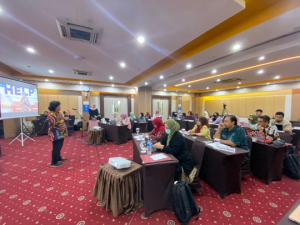
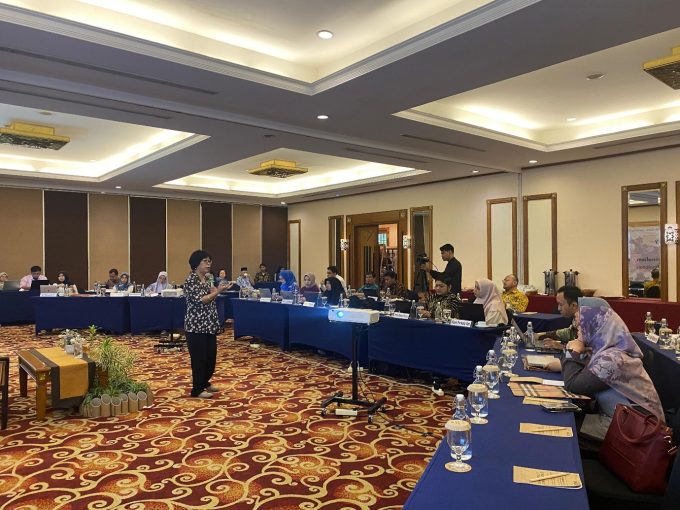
Center for Bioethics and Medical Humanities (CBMH FK-KMK UGM) once again organized the HELP Course (Humanity–Ethics–Legal–Professionalism) Batch 6 in an offline (in-person) format, marking its return to face-to-face implementation since the COVID-19 pandemic. The three-day program was held from Wednesday, 8 March to Friday, 10 March, at Tara Hotel, Yogyakarta, and was attended by participants from various cities across Indonesia. As the organizing institution, CBMH FK-KMK UGM carried the theme “1st Series: The Basic Understanding of Bioethics.”

During the HELP Course 1st Series, participants took part in five core sessions, including Introduction to Bioethics, Humanity and Ethics, Ethics and Law, and Professionalism Aspects in Relation to Bioethics. These sessions provided participants with foundational knowledge and critical perspectives on the integration of ethical principles within healthcare practice and education.

In addition to the formal learning sessions, the course also featured an “Angkringan” discussion session with dr. Ahmad Hamim Sadewa, Ph.D., Vice Dean for Academic and Student Affairs of FK-KMK UGM. This informal yet insightful discussion addressed the topic “Code of Ethics for Teaching Hospitals: Is It Specifically Necessary?”, encouraging open dialogue and critical reflection among participants.

Through the implementation of this offline HELP Course, CBMH FK-KMK UGM reaffirmed its commitment to strengthening bioethics education and fostering meaningful engagement among healthcare professionals, educators, and policymakers in a collaborative learning environment.

Editor : Rafi

Highlighting Bioethics Education, CBMH FK-KMK UGM Conducts HELP Course Series 6 Course, HELP Course

Center for Bioethics and Medical Humanities (CBMH FK-KMK UGM) has successfully completed its regular HELP Course (Humanity–Ethics–Legal–Professionalism) Series 6, Batch 5, carrying the main theme “HELP Aspects in Medical Education.” The program was conducted over eight sessions, held from 30 August to 22 September 2022.

Delivered in a fully virtual format, the course was attended by participants from various backgrounds, including healthcare practitioners and professionals involved in medical education institutions. The diversity of participants enriched discussions and reflected the growing need for structured bioethics education across healthcare and academic settings.

As the organizing institution, CBMH FK-KMK UGM curated a range of essential topics in bioethics education. These included the fundamentals of teaching bioethics, strategies for bioethics instruction, assessment methods in bioethics education, development of teaching materials, and key ethical issues in higher education.

In addition to theoretical sessions, the course also featured two dedicated practical sessions, allowing participants to directly apply the knowledge and concepts they had acquired throughout the program.

Through the implementation of the HELP Course Series 6, CBMH FK-KMK UGM reaffirmed its commitment to strengthening capacity in bioethics education and supporting the development of educators and practitioners who are ethically grounded, professionally competent, and responsive to the evolving challenges of medical education.

Editor : Rafi

Building Patient Safety Through Effective Communication in Healthcare Services

komunikasi failure

Yogyakarta, 15 October 2025 — Communication is a fundamental pillar of healthcare services. In clinical practice, clinics, and hospitals, the quality of interactions between healthcare professionals, patients, and their families often determines the outcomes of care. Yet, communication is also one of the most frequently overlooked sources of risk. Communication failure can lead to misunderstandings, delays in treatment, and even fatal medical incidents.

Recognizing the urgency of this issue, the Center for Bioethics and Medical Humanities (CBMH), Universitas Gadjah Mada, once again organized its weekly Raboan Research and Perspective Sharing on Wednesday, 15 October 2025. Conducted online via Zoom Meeting, the session carried the theme “Communication Failure” and featured dr. Rukmono Siswishanto, M.Kes., SpOG(K) as the main speaker.

In his presentation, dr. Rukmono emphasized that communication lies at the heart of healthcare delivery, as all processes—from consultation and decision-making to medical interventions—depend on accurate information exchange. However, evidence shows that communication failure is a leading cause of sentinel events, defined as unexpected incidents that result in serious patient injury or death.

Communication failures may arise from multiple factors, including unclear message content, misunderstanding of the audience, inappropriate timing, or misaligned communication objectives. Misunderstandings often stem from differences in perspectives, language, and background among those involved. Additional barriers such as assumptions, emotional responses, stress, and fatigue further hinder the effective delivery and reception of information.

Medical consultation was highlighted as the core communication process in healthcare services. Beyond information transfer, consultations must uphold key ethical principles, including beneficence (prioritizing patient well-being), respect for autonomy (honoring patients’ rights to be informed and to make decisions), justice (ensuring fair access to care), and truth-telling (transparency regarding information and conflicts of interest).

International data indicate that the number of sentinel events continues to increase annually. Many of these incidents involve delayed treatment, wrong-site surgery, retained foreign objects after procedures, and patient suicide—most of which could be prevented through effective and systematic communication among healthcare professionals.

According to dr. Rukmono, the most common forms of communication failure include insufficient or untimely information provided to patients, lack of information sharing among colleagues, poor listening skills, and failure to involve family members or caregivers in decision-making processes. Contributing factors range from individual conditions of healthcare workers and heavy workloads to unstructured communication systems and weak interprofessional collaboration.

As solutions, healthcare professionals are encouraged to improve communication at both personal and systemic levels. Recommended measures include strengthening empathy, managing stress, improving medical documentation, refining team communication workflows, and understanding patients’ backgrounds and needs. Structured communication approaches such as SBAR (Situation–Background–Assessment–Recommendation), read-back, and team briefings were recommended to minimize errors and clarify instructions.

At the conclusion of the session, dr. Rukmono underscored that effective communication is the foundation of patient safety. Improving communication systems must become part of the institutional culture in healthcare settings, and clinical communication training should be integrated from medical education through professional practice.

These efforts align with the Sustainable Development Goals (SDGs), particularly SDG 3: Good Health and Well-Being, which aims to ensure healthy lives and promote well-being for all at all ages. By strengthening communication in healthcare services, medical professionals not only enhance service quality but also contribute meaningfully to the development of a safer, more equitable, and sustainable healthcare system.

Reporter: Ardhini N, M.K.M.
Editor: Rafi

Ethical Dilemmas Behind Neuroenhancement Technology and Brain Modification

BIOETIKA HUMANIORA MEDICAL ETHICS

Yogyakarta, 12 September 2025 — Rapid advancements in neuroscience technology over recent years have presented both significant opportunities and profound challenges for the fields of healthcare and education. Innovations such as neuroenhancement—the enhancement of human brain function beyond normal conditions—not only promise new medical solutions but also raise critical questions concerning justice, safety, and ethical use.

In response to the urgency of these issues, the Center for Bioethics and Medical Humanities (CBMH), Faculty of Medicine, Public Health, and Nursing, Universitas Gadjah Mada (FK-KMK UGM), held its weekly RABOAN academic forum on Wednesday, 10 September 2025. This regular forum serves as an interdisciplinary platform for discussing contemporary issues in bioethics.

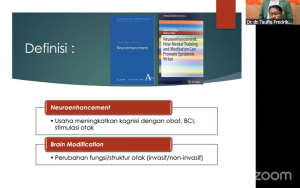
The theme of this session was “Neuroenhancement and Brain Modification: Ethical Aspects in the Use of Cognitive Enhancement Technologies.” The main speaker, Dr. dr. Taufiq Fredrik Pasiak, M.Kes., M.Pd.I., MH., CIPA, delivered a comprehensive presentation on the development of neuroscience technologies and their accompanying ethical implications. The discussion was moderated by Mahmasoni Masdar, S.Kep., Ns., M.Kep.

During the session, Dr. Taufiq explained that neuroenhancement refers to the use of technology to improve human cognitive brain functions beyond their normal state. Current examples include non-invasive brain stimulation, concentration-enhancing pharmaceuticals, and the potential for brain modification through advanced technological interventions.

According to him, these technological developments offer significant opportunities in education, healthcare, and workplace productivity. For instance, cognitive enhancement technologies may assist patients with neurodegenerative disorders such as Alzheimer’s disease, or support individuals with learning difficulties in adapting more effectively.

Nevertheless, he emphasized that such innovations are inseparable from serious ethical concerns, including:

  • Justice and accessibility — whether these technologies will be accessible only to financially privileged groups, thereby widening existing inequalities.

  • Long-term safety — the lack of extensive research on long-term effects raises concerns about potential new health risks.

  • Privacy and individual freedom — technologies capable of influencing brain function provoke fundamental questions regarding the protection of human rights.

  • The need for regulation — the importance of developing policy frameworks involving multidisciplinary perspectives, from medicine to law, to ensure ethical governance of these technologies.

Dr. Taufiq also highlighted the concept of neurorights, referring to fundamental rights that must be safeguarded in the era of neuroscience innovation. These include the right to personal identity, freedom of thought, mental privacy, and protection against discrimination based on cognitive capacity.

This issue is closely linked to the achievement of the Sustainable Development Goals (SDGs), particularly SDG 3: Good Health and Well-Being. Cognitive enhancement technologies hold potential to support brain health and improve quality of life, especially in the prevention and treatment of neurological and mental disorders. Neuroenhancement may also contribute to the rehabilitation of patients with impaired brain function, enabling them to return to productive daily activities. However, without appropriate regulation, such technologies risk generating new health problems, including dependency, misuse, or unknown long-term effects.

By addressing the topic of neuroenhancement, CBMH UGM demonstrates its commitment to ethical reflection amid rapid technological innovation. It is hoped that this discussion will serve as a starting point for further research, policy development, and regulatory frameworks that can balance technological benefits with the protection of fundamental human values.

Reporter: Ardhini N, M.K.M.
Editor: Rafi


Integrating Business Ethics and Medical Ethics in Obstetrics & Gynecology Practice

BIOETIKA HUMANIORA MEDICAL ETHICS

A mother arrives at a hospital with the hope of receiving the best possible care for herself and her baby. Yet behind every medical decision made by physicians, there are often additional considerations—ranging from financial pressures and insurance policies to hospital revenue targets. How can doctors maintain professional integrity while the healthcare business must continue to operate? This critical question became the central focus of the Raboan Discussion Forum, organized by the Center for Bioethics and Medical Humanities (CBMH), Universitas Gadjah Mada, on Wednesday, 27 August 2025, from 13:00 to 14:30 WIB.

Carrying the theme “Integrating Business Ethics and Medical Ethics in Obstetrics & Gynecology Practice,” the forum featured Prof. Dr. dr. Rajuddin, SpOG(K), Subsp. FER as the main speaker, with NS Wahyu Dewi Sulistyarini, M.S.N. serving as moderator.

In his presentation, Prof. Rajuddin emphasized the importance of achieving a balance between medical ethics and business ethics in Obstetrics and Gynecology practice. Issues such as overtreatment driven by financial targets, patient discrimination based on socioeconomic status, and the risk of commercialization in fertility services were highlighted as tangible examples of ethical dilemmas frequently encountered in clinical settings.

Furthermore, he underlined that well-implemented business ethics can, in fact, reinforce medical ethics. Cross-subsidy schemes, for instance, may help ensure equitable access to healthcare for underprivileged patients, while profits generated from premium services can be allocated to improving facilities, supporting research, and enhancing the training of healthcare professionals.

The discussion was also closely linked to the Sustainable Development Goals (SDGs), particularly SDG 3: Good Health and Well-Being and SDG 10: Reduced Inequalities. By integrating business and medical ethics, healthcare systems are expected to deliver services that are sustainable, equitable, and dignified, while simultaneously strengthening public trust in healthcare institutions.

The event received a strong and enthusiastic response, with participants joining from a wide range of institutions, including hospitals, educational institutions, and health organizations across Indonesia. The diversity of participants enriched the discussion, bringing interdisciplinary perspectives that further underscored the relevance of this topic to everyday healthcare practice.

Through this regular forum, CBMH UGM reaffirms its commitment to fostering critical and solution-oriented discussions on bioethics and the medical humanities, in support of more just, high-quality, and sustainable healthcare services in Indonesia.

Watch the full discussion on the CBMH UGM YouTube channel:

https://www.youtube.com/watch?v=WImScaUqbO4

Reporter: Rafi