HELP Course Batch 6 – 6th Series : Strengthening Bioethics in Medical Education
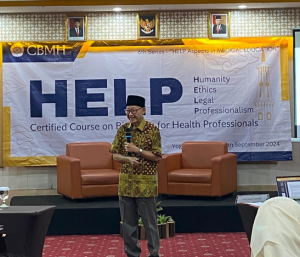
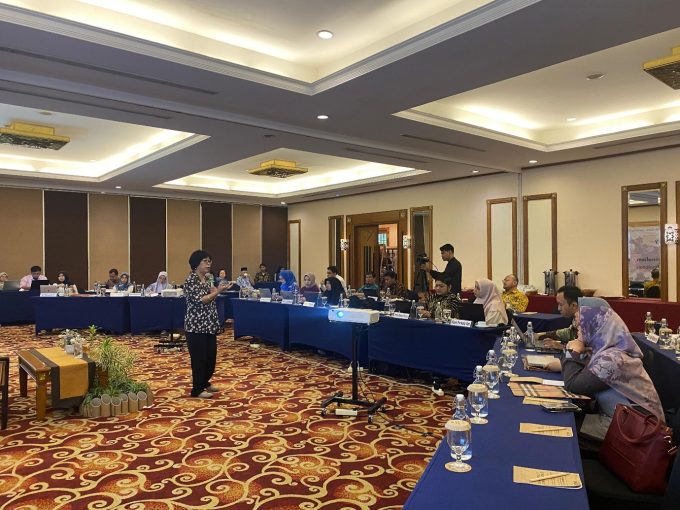
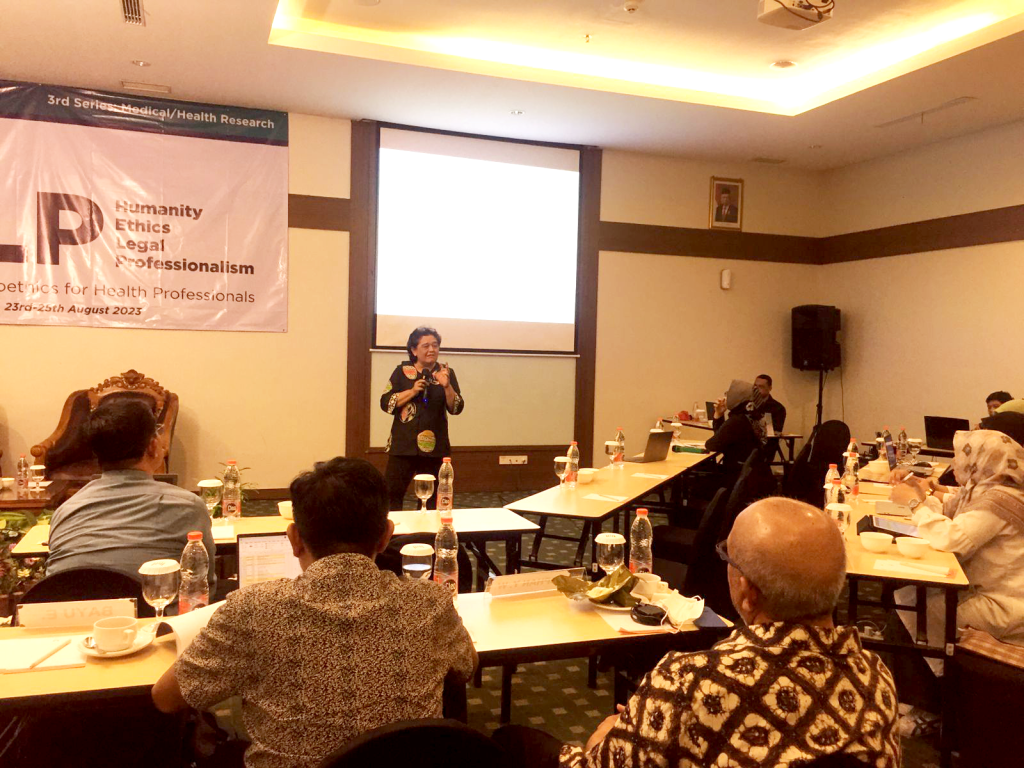
The HELP Course (Humanity–Ethics–Legal–Professionalism) 6th Series, Batch 6 was successfully conducted from Wednesday to Friday, 25–27 September 2024, at Hotel MM UGM, Yogyakarta. This sixth series focused on Bioethics in Medical Education, bringing together healthcare professionals and academics committed to strengthening ethical awareness and teaching strategies in medical education.
This program aimed to enhance participants’ understanding of ethical principles in medical education and to equip them with effective strategies for teaching bioethics in academic and clinical settings. The course aligns closely with the Sustainable Development Goals (SDGs), particularly SDG 4 (Quality Education) by promoting ethical competence among educators, and SDG 3 (Good Health and Well-Being) through the development of ethically grounded healthcare professionals.
Global Perspectives on Ethics in Medical Education
The first day of the HELP Course opened with a session titled “Global Health Ethics: Addressing Disparities in Medical Education and Clinical Practice”, delivered by Prof. Dr. dr. Soenarto Sastrowijoto, Sp.THT(K). In this session, Prof. Soenarto discussed the importance of addressing inequalities and integrating bioethics into both medical education and clinical practice. He emphasized that academics must develop a comprehensive understanding of bioethics in order to teach it effectively within their respective institutions.
He concluded the session with a reflective message on the educator–student relationship, highlighting the importance of patience, mentorship, and mutual respect in academic environments.
Innovative Approaches to Teaching Bioethics
The following session explored teaching strategies in bioethics through “Narrative Ethics: Advanced Techniques in Ethical Discourse”, presented by Dr. Dra. Retna Siwi Padmawati, M.A. She underlined the importance of listening, giving time to patients, respecting patients’ experiences, and understanding illness from a humanistic perspective. According to her, narrative ethics and medical narratives serve as essential methods for cultivating empathy and ethical sensitivity, as “narrative creates a voice.”
This session was followed by presentations on multimedia-based approaches to bioethics education, including the use of films, arts, and virtual reality. Participants also discussed the role of simulation in ethics education, which allows learners to engage with ethical dilemmas without compromising patient safety.
Interdisciplinary Learning and Ethical Reflection
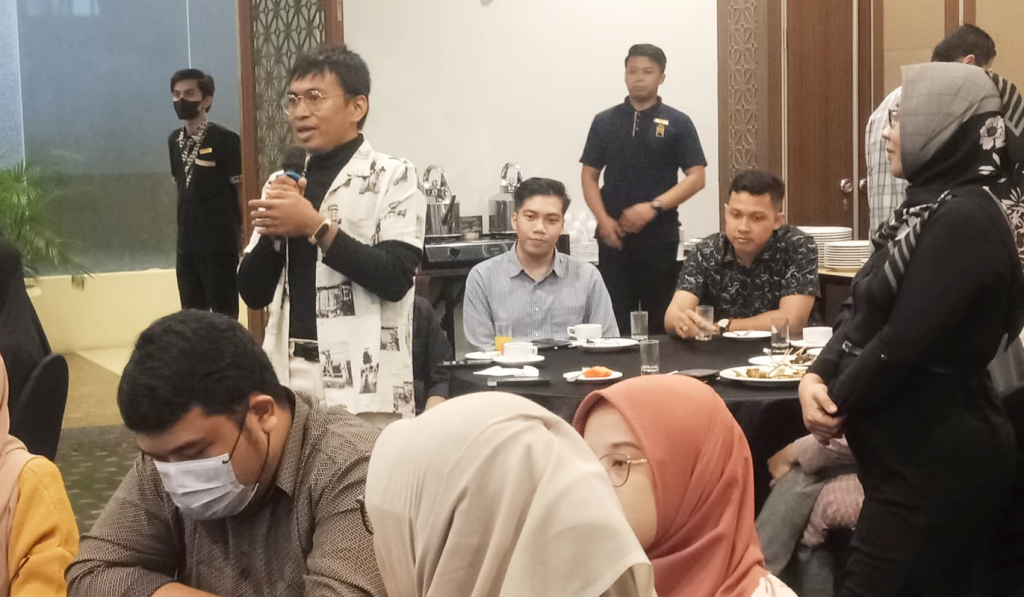
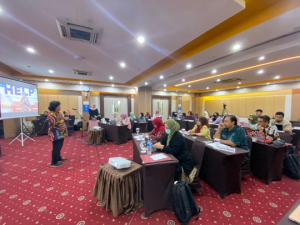
The final day of the HELP Course featured interdisciplinary approaches to bioethics education delivered by three speakers. These interactive sessions encouraged participants to actively engage in discussions and practical exercises addressing ethical challenges and moral education in university settings. Participants gained valuable insights into navigating ethical dilemmas within medical education while fostering professionalism and moral responsibility.
Through this course, CBMH FK-KMK UGM reaffirmed its commitment to advancing bioethics education as a foundation for ethical healthcare systems. By strengthening educators’ capacity in bioethics, the HELP Course contributes to building inclusive, ethical, and sustainable health and education institutions, in line with SDG 3 (Good Health and Well-Being), SDG 4 (Quality Education), and SDG 16 (Peace, Justice, and Strong Institutions).
Editor : Rafi